See your site the way AI search engines see it.
GetSlurp is a GEO and AEO audit that scores any page for how ready it is to be cited by ChatGPT, Gemini, Google AI Overviews and Claude. You get a 0 to 100 score, a readiness check for each engine, and a ranked list of what to fix first. One click, free, and it runs inside your browser.
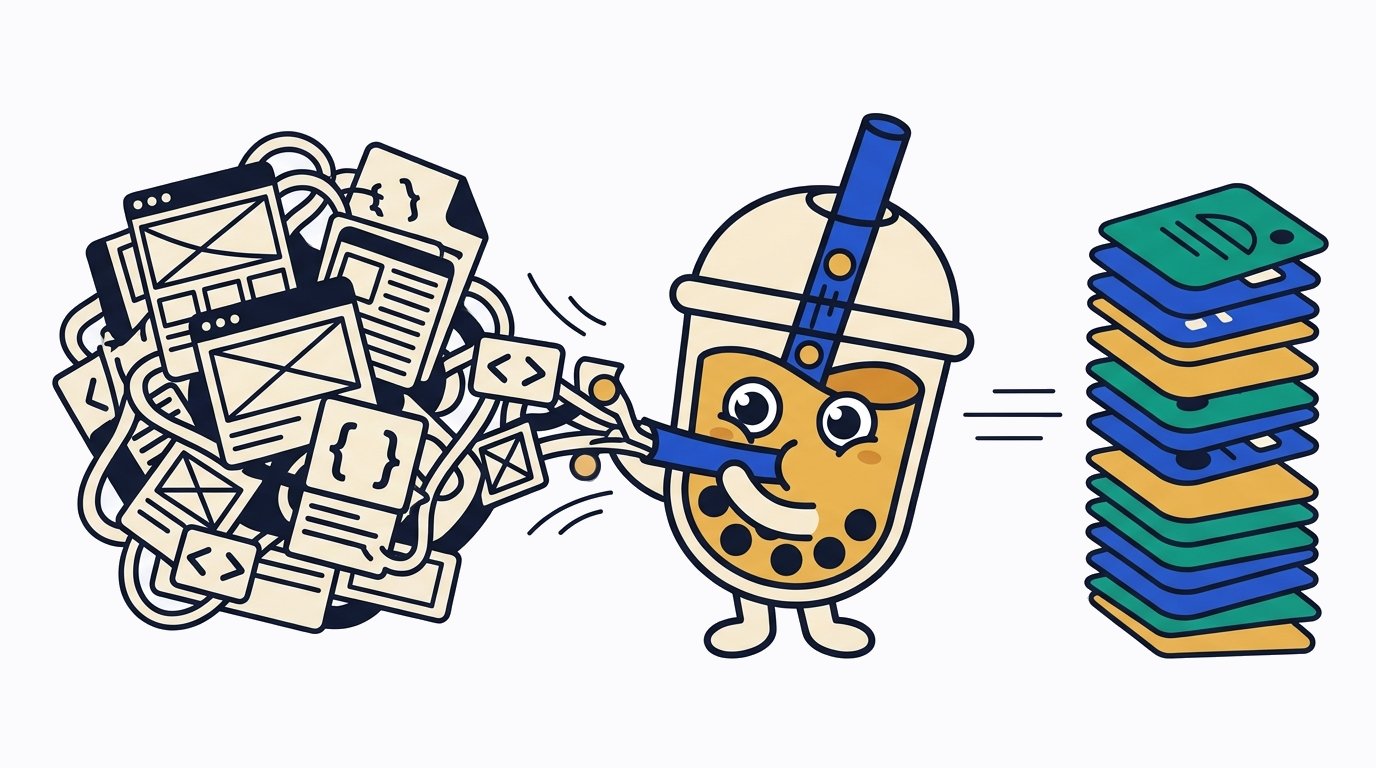
This isn't a rebranded SEO audit
A lot of what gets called AEO and GEO is a regular SEO report with a new name on the cover, so the skepticism is earned. GetSlurp is built around a different question. AEO (answer engine optimization) and GEO (generative engine optimization) both ask whether an AI search engine can reach your page, read it, trust it, and cite it in an answer. Ranking a blue link is a separate job, and it takes separate checks.
So that is what GetSlurp tests. Whether GPTBot can fetch the page at all. Whether your content still exists with JavaScript switched off, since most AI crawlers never run it. Whether your strongest sentence can be lifted and cited on its own. Every check comes with the reason it matters and a one-line fix, in plain language.
Two ways to run it
The same audit engine, wherever you work. Both run locally, so your pages and your reports stay on your machine.
Chrome extension
Open any page, click the cup, read the score. About 60 checks run in your browser in a couple of seconds, with a readiness verdict for each engine and a raw-vs-rendered view that shows how many of your words an AI crawler actually receives.
MCP server
Audit from inside Claude, Cursor, or any MCP client. Score a page, line it up against four competitors, or turn a sitemap into a fix plan you can paste into tickets. No other GEO tool plugs its auditor into your AI workflow.
In early access.
What gets checked
60+ checks across 12 categories. Critical failures act as gates: a site that blocks OAI-SearchBot can't score above 49 for ChatGPT, no matter how good the content is.
AI crawler access
weight 15%Can AI search crawlers reach your page at all.
Renderability
weight 15%AI crawlers run no JavaScript. Does your content exist without it.
Answer-readiness
weight 15%Do your sections survive being cited on their own.
Citability and evidence
weight 12%Statistics, quotes and sources. The tactics with measured lifts.
Entity and E-E-A-T
weight 12%Does your site tell one clear story about who you are.
Freshness
weight 8%Half of AI-cited content is under 13 weeks old. Are you competing.
Structured data
weight 8%Valid JSON-LD that matches what visitors actually see.
Semantic HTML
weight 6%One H1, clean outline, landmarks, real link text.
Meta and discoverability
weight 5%Titles, descriptions and the canonical that can silently cost you citations.
Internal linking
weight 4%How crawlers find the rest of your site from this page.
Multimodal
weight 3%Alt text and transcripts. Text is how media gets retrieved.
AI agent readiness
informationalWebMCP, MCP references and forms agents can operate.
Checks that match how AI search actually works
Not a generic SEO checklist. Every check exists because of how AI search engines crawl, retrieve and cite.
A score you can actually defend
- Gates, not averages. If a page blocks an engine's crawler, its score for that engine is capped, whatever the rest of the page looks like. A high Slurp Score is hard to fake.
- See what the crawler sees. The extension puts the raw HTML an AI bot receives next to your rendered page, so you can check any finding with your own eyes instead of taking the score on faith.
- Nothing padded. Things engines don't use yet, like llms.txt, get reported without touching your score. Emerging standards like WebMCP are tracked now and start counting the moment engines ship support.
Frequently asked questions
What is generative engine optimization (GEO)?
GEO is the practice of structuring your pages so AI search engines like ChatGPT, Gemini, Google AI Overviews and Claude can read, trust and cite them. Traditional SEO chases rankings. GEO aims to make your page the source the AI cites in its answer.
How is GEO different from SEO?
SEO optimizes for a ranked list of links. GEO optimizes for being cited inside an AI-generated answer. They share fundamentals like crawlability and clean markup, but GEO adds new priorities: content an engine can extract, evidence it can cite, and a brand it can identify.
Will my site show up in ChatGPT?
GetSlurp scores how ready a page is to be cited, which is the part you control. It does not track or guarantee live citations, because those swing from day to day and query to query. Fix what the score flags and you improve your odds across every engine at once.
What is a Slurp Score?
The Slurp Score is a 0 to 100 rating of how ready a page is for AI search. It runs more than 60 checks across 12 categories, gives each engine its own readiness verdict, and ranks the fixes that will move the score most.
Which AI search engines does GetSlurp check for?
ChatGPT, Gemini, Google AI Overviews and Claude. Each engine gets its own score, so you can see exactly which one a problem affects instead of a single blended number.
Is GetSlurp free, and does it send my data anywhere?
Yes, it is free, with no account and no sign-up. Both the Chrome extension and the MCP server run the audit entirely on your machine. Nothing you audit is uploaded, stored or shared.